

Maya Jabbari
Staff Writer
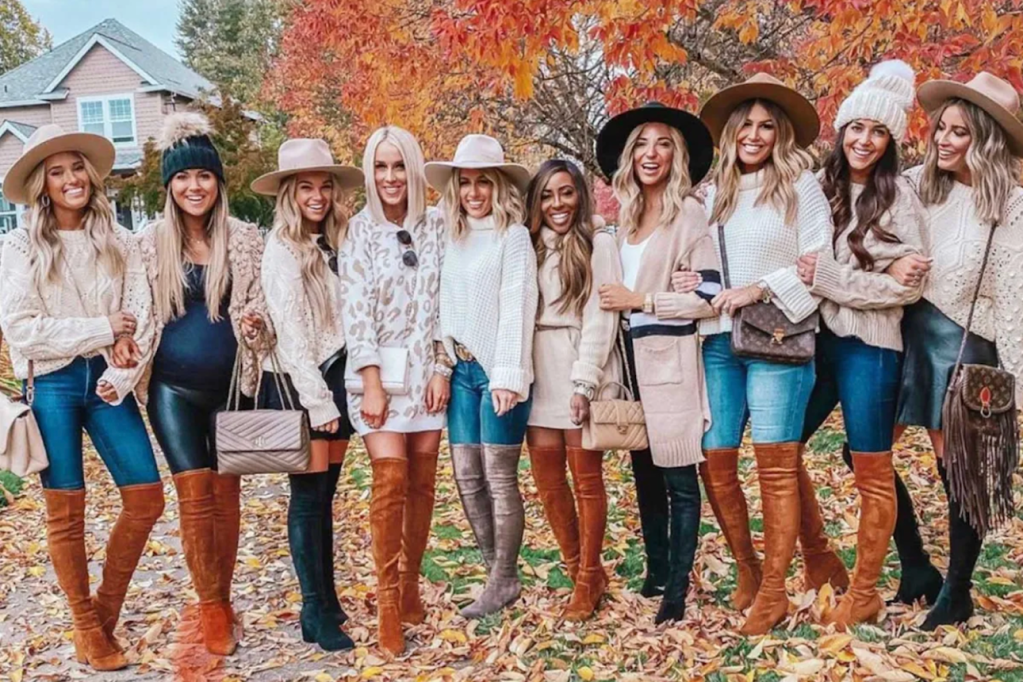
Photo via @goodnightmacaroon
Time Magazine’s Mariah Espada and Moises Mendez II, write that the obsession of autumn started as early as 2011 on popular sites like Tumblr. At this time, Instagram had also been rising in popularity in the late 2010s with the concept of posting pictures that were like an extension of the user’s identity, or an extension of what the user wanted others to think was their identity. Later on, images from Tumblr associated with fall began to appear on Instagram, with influencers and their followers using fall-coloured presets. With this relatively new web-curated fall obsession, a phenomenon emerged that would forever change how we perceive and consume the autumn season. Associated with conservative women during the weeks of fall, it inadvertently gained tons of social media traction. I’m sure you’ve scrolled past photos of women in chunky knit sweaters and skinny jeans, wearing crisp, clean Uggs while sipping a pumpkin spice latte surrounded by orangy leaves. This is known as “Christian Girl Autumn”; it is resurrected every fall season.
“Hot Girl Summer is coming to an end, get ready for Christian Girl Autumn 🍂😍.”
@lasagnabby
This playful phenomenon was created in 2019 when social media user @lasagnabby tweeted “Hot Girl Summer is coming to an end, get ready for Christian Girl Autumn 🍂😍.” In this tweet, a photo was attached of two white women wearing identical outfits. The user also explained that when they searched up ‘cute church outfits’, their screen had been flooded with pictures of Caitlin Covington (the current face of “Christian Girl Autumn”). As a result, Covington’s Instagram posts became an overnight sensation which transformed into a media frenzy. She then began to amass new followers (usually other conservative Christian white women) who copied her aesthetic. However, many others – such as the user mentioned above – poked fun at the aesthetic itself.
“All it takes is one leaf to change to make me fold to my “Gilmore Girls” grind”
Multiple TikTok Users, Verbatim
Now, we see this same yearly obsession happening on TikTok and Pinterest, where people have taken the autumn aesthetic to new heights, just in different ways. Searching “Fallcore” (why we add ‘core’ to everything? I don’t know, but it’s silly) or seeing multiple users verbatim on Tiktok say “All it takes is one leaf to change to make me fold to my “Gilmore Girls” grind” are, I will admit, comical to see. “Gilmore Girls” nowadays has specifically become the epitome of autumn, with tweets like “Hot girls rewatch “Gilmore Girls” every fall”. Many of us (if not all), have never lived in a town like Stars Hollow, yet, when we picture fall, the show’s cozy setting comes to mind in terms of what the season should look like.
This desired aesthetic has been changing slightly every year, but the core of this aesthetic and its popularization can be linked to social media’s response to “Christian Girl Autumn”. In fact, if you search “Pinterest Fall Trends 2019” thousands of images will appear of women wearing similar outfits to Convington’s, except many of them aren’t Covington herself.
The process by which social media and fall have bonded together to make an unstoppable cycle of seasonal trends, emerging and fading because of the commercialization of trends, has peaked. Yet, we let ourselves consume it.
I’m certain you’ve noticed that once summer is deemed over and the weather starts to get chillier, and trees’ leaves begin to slightly change colour, almost every brand puts out something fall-themed to capitalize off the popularity of the season. We know this. By aligning their products with the idealized version of fall portrayed on these social media platforms, companies can also profit off of this trend.
Brands have specifically recognized the power of social media influencers in shaping consumer behaviour and are increasingly partnering with them for fall-themed campaigns. These collaborations often involve influencers showcasing products in carefully staged autumn settings, blurring the line between genuine content and advertising. For instance, in an interview with Good Morning America, journalist Zoe Moore writes about Covington’s collaboration with the clothing company Liverpool Los Angeles for their exclusive fall collection with Nordstrom. The clothing collab contains cozy sweaters, plaid blazers, and denim, which to no surprise, perfectly matches the “Christian Girl Autumn” aesthetic that Covington exudes on her Instagram feed. This strategy not only helps brands reach their target audience more effectively, but also lends an air of ‘authenticity’ to their marketing efforts.
All of this to say, while the “Christian Girl Autumn” phenomenon has transformed the perception of fall, it has also undeniably driven consumerism to new heights. Even though this means we might not celebrate the actuality of this phenomenon the way we did in 2019 and poke fun at it, we still do in other ways on the same platforms it originated from. So keep an eye out for “Christian Girl Autumn” and its pressure to conform to fall consumerism…it would be a shame if you got a burnt tongue from that scorching pumpkin spice latte 😦
 The Plant
Leave a comment