

Eliot Fleming
Reporter
Photo Via Getty Images
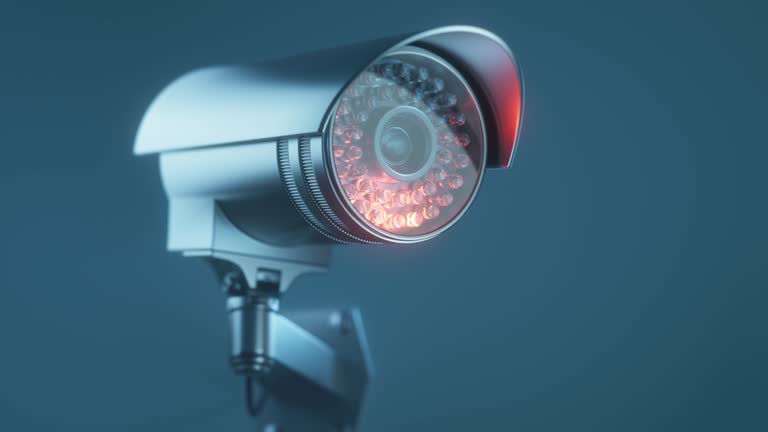
State surveillance became a shameless norm across the West ever since the 9/11 attacks against the USA, which resulted in the “PATRIOT Act” of 2002. This legislation allows federal agencies to access international and domestic phones, granting these agencies more resources to conduct their operations as well as expanding the legal classification of “terrorism” and increasing penalties for crimes of Terror. Both the Canadian Security Intelligence Service (CSIS) and the Royal Canadian Mounted Police (RCMP) have had similar permissions since the adoption of Canada’s 2001 “Anti-Terrorism Act.” In both countries, law enforcement is allowed to lie to the state, the press, the public, suspects, and witnesses. These practices are still going strong, and may have dire consequences in coming years.
Despite the pitch that these policies and technologies exist to protect civilians from terrorism, there are several examples that suggest they aren’t very effective. In 2007, CBC News reported that CSIS had been informed of the successful Khalistani separatist plot to bomb Air India flight 182 on June 23rd, 1985, since at least the summer prior, despite reporting otherwise to Ottawa. In 1994, the Toronto Sun revealed that private investigator Grant Bristow, a known white supremacist and founding member of the neo-Nazi Heritage Front, had been a CSIS asset since 1988 and allegedly used state funds for his political endeavors.
In a 2019 article, the Tyee, an independent news outlet, first reported on “Project Wide Awake,” an RCMP initiative that focuses on a “proactive” approach to crime prevention. The department claims that the program “[helps] detect and prevent a crime before it occurs.” The practice entails monitoring the public and private internet profiles and social media activities of Canadian citizens and assessing the risk that one might commit a crime. Many experts agree that this could constitute a violation of the Charter of Rights and Freedoms, as per the article. However, the RCMP is of the position that “a search warrant would not be required to use [an] off-the-shelf tool, which queries and analyses publicly accessible information, where there is no reasonable expectation of privacy, such as public Twitter or Facebook posts.”
Canada’s use of spyware has become so normalized that in 2023, 13 federal departments were found to be in possession of unauthorized surveillance equipment, as detailed in an article from Radio-Canada that same year. These include the RCMP, the Canadian Revenue Agency, Border Services, and Correctional Services. Fisheries and Oceans Canada and the Radio-television and Telecommunications Commission are also included in the report.
Unfortunately, there are numerous cases where these surveillance operations have been targeted at innocent Canadian civilians, particularly students of colour. In at an international intelligence conference in 2023, CSIS director David Vigneault claimed that the Chinese Communist Party was using Canadian universities to spy on and influence the public: “Everything that they’re doing in our universities and in new technology, it’s going back into a system very organized to create dual-use applications for the military.” This statement informed a sinophobic 2024 court decision that barred Chinese student Yuekang Li from studying at the University of Waterloo.
In 2019, multiple Muslim student activists told CBC News that they and their loved ones had been targeted and harassed by CSIS in “fishing expeditions,” which aim to locate suspected terrorist sympathizers.
At an Ottawa press conference on January 27th, Conservative Party leader Pierre Polièvre has called for deporting non-citizens who are identified at pro-palestinian protests, a threat he may follow through on if his party makes government in the next federal election. In the United States, AP has reported on President Donald Trump’s interest in passing legislation that allows the U.S. Immigration and Customs Enforcement (ICE) to detain and deport socialists, anarchists, and pro-palestinian activists, dates all the way back to the summer of 2023.
In a concerning trend, the laws, technologies and agencies that civilians were told would protect them against terrorism have failed to do so many times. Their use has been relegated to policing and harassing Canadian and American citizens and immigrants. Thankfully, there are steps that the public can take to protect communities from state and corporate surveillance. On a collective scale, people can organize and put pressure on governments to regulate the use of spyware, advocate for legislation that takes away corporate ownership of personal information, educate others on their constitutional rights to privacy, and use non-violent direct action to disrupt the companies and state agencies that would use their own data against them.
 The Plant
Leave a comment