

Julia Azzouz
Creative Writing Editor
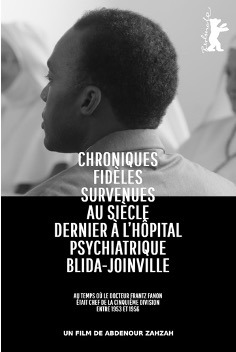
Best Narrative Feature: Frantz Fanon by Abdenour Zahzah (Algeria, France)
Set in colonized Algeria in 1953, this powerful debut follows Frantz Fanon, a young Black psychiatrist newly appointed as head of the fifth ward at the Blida-Joinville psychiatric hospital. There, he confronts a system entrenched in racist and colonial practices, where Muslim patients are denied autonomy, forcibly restrained, and medicated without consent. Filmed on location at the very hospital where Fanon once worked, the film captures his radical efforts to reform psychiatric care. He introduces humanitarian programs that foster collaboration between staff and patients, and establishes facilities such as a football field and a mosque to restore dignity and promote healing. As Algeria’s war for independence intensifies, Fanon becomes increasingly involved in the resistance, guided by a deepening anti-colonial commitment. This film offers an intimate portrait of the political philosopher, psychiatrist, and author of The Wretched of the Earth.
Best Documentary Feature: Ammaki (Ta Maman) by Celia Boussebaa (Ethiopia)
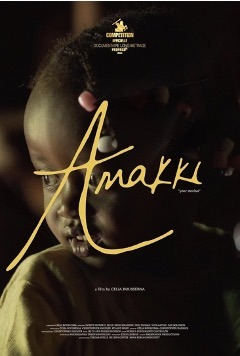
Amakki (Ta Maman) is a lyrical documentary that follows three generations of women in Ethiopia’s Sidama region over the course of a single day. In a household shaped by love, labor, and loss, Dorite, her daughter Mulu, granddaughter Tigu, and baby Mita navigate the quiet complexities of daily rituals like cooking, farming, and storytelling. The film captures the richness of routine in relational time with an intimate cinematography and a textured soundscape. Structured in four poetic chapters and spoken entirely in Sidaamu Afoo, Amakki resists Western documentary conventions, offering instead a decolonial, immersive experience that invites the viewer to witness indigenous knowledge without narration.
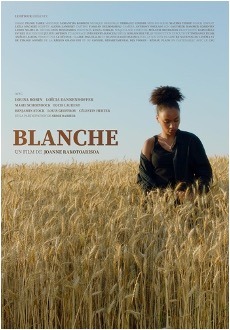
Best Narrative Short Film: Blanche by Joanne Rakotoarisoa (France)
After the death of Blanche, an elderly woman, her family gathers in a rural village for the funeral. Among them is Zaza, a biracial teenager visiting with her mother, quietly observing the tensions that simmer beneath the surface of family grief. Amid the emotional weight of the day, Zaza connects with a young cousin, a quiet, overlooked girl adrift in the chaos of mourning. Blanche tenderly explores themes of identity, belonging, and the small moments of human connection that emerge in the wake of loss.
Best Documentary Short Film: Sunset and the Mockingbird by Jyllian Gunther (USA)
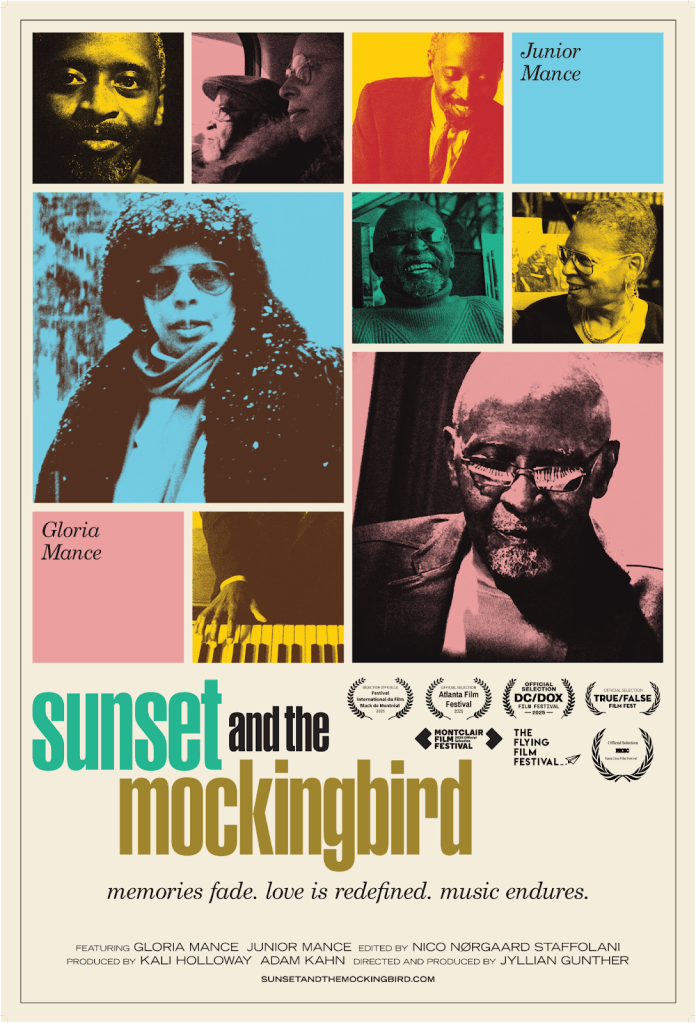
Filmed over 10 years, this documentary short follows the relationship of Gloria Clayborne and the renowned jazz pianist Junior Mance. Having played with the likes of Dizzy Gillespie, Cannonball Adderley, and Dinah Washington, Mance met Clayborne in 1996. They quickly married, she became his manager, and they traveled the world together. In 2012, Mance had a stroke and developed dementia, forcing both to confront a life where music would no longer be at the center. The film becomes an intimate portrait of rediscovering identity—both as individuals and as a couple—while navigating love, loss, and devotion through profound change. Loosely structured around Gloria’s journal entries and layered with vérité footage, archival photos, and film, the story moves between past and present like a memory. It captures the enduring power of partnership in the face of time and illness.
 The Plant
Leave a comment