

Minola Grent
Managing Editor
I’ve been looking back on my childhood recently, and I couldn’t help but notice an obvious trend in the shows I watched. Winx Club, Totally Spies, Lolirock, My Little Pony, Strawberry Shortcake, Horseland: they were all “girly” cartoons. They were cartoons utterly undeserving of boys’ attention. So, when my male cousins snickered at the shows that had gently cradled my little girl heart as I clawed my way into womanhood, I laughed along with them. Then, I hid in my bright pink room with the family computer to delight in the media that understood me so well. Now, in my late teens, I can’t help but notice the same boys that mocked me enjoy the same girl cartoons they looked down on.
Beyond the sparkles and the aesthetics, what makes a cartoon girly? Less than you may think, unfortunately. Oftentimes, featuring a predominantly female cast of characters was enough to get the show categorized as “for girls”.
If young boys initially rebuke these cartoons, it must mean they don’t identify with their messages and character depictions. Can boys truly not relate to girls at all? Or is it rather that boys may not be allowed to see themselves reflected in media traditionally aimed at girls? Societally, girls are encouraged to have nurturing attitudes towards their relationships and the people surrounding them, often taking a secondary role to help others thrive. Hence, women are expected to be fulfilled by giving. Boys, on the contrary, are encouraged to prioritize individualistic values and to be the main character in all spheres of their lives, often to the detriment of their relationships and others around them. Rarely are these attitudes ideal for a fulfilling life in the long run.
This gender division is then reflected in the media produced for each demographic. Children’s series whose main character is a boy and which, by extension, cater to boys, tend to focus on adventure, strength, and perseverance in difficult situations. In contrast, the ones with a girl as a main character, and therefore aimed at girls, push forward themes of friendship, understanding, and communication.
Following these societal templates, the media views approaching the world with kindness and vulnerability as a trademark of female-led children’s media. Female protagonists are often examples of compassion and humanity. This is particularly true with “girl power” cartoons that take all these “girlish” traits and turn them into strengths. For instance, the most obvious example is My Little Pony. Its catchphrase is literally “Friendship Is Magic.”
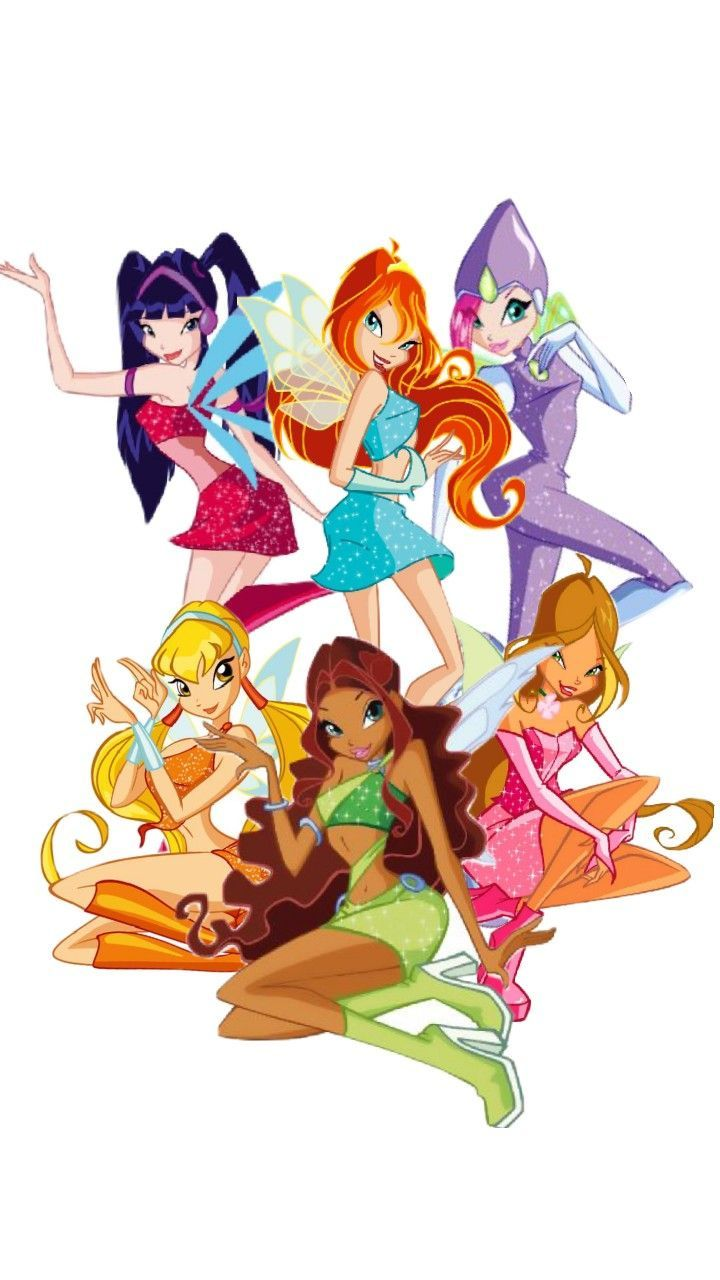
Though some of the shows I listed earlier, like Winx Club, Lolirock, and Totally Spies, still include themes of adventure, strength, and perseverance, they are often not meant to be the focus. In the case of these three cartoons, the stakes presented by the plot and the world are high. For example, the Winx girls fight to protect the Magical Dimension, the Lolirock girls are trying to save the main character’s home planet, and the spies combat evil in Beverly Hills. However, it is important to note that a careful emphasis is still placed on the characters’ friendships and their kindness. That is because the resolution to many of the shows’ conflicts relies on these themes.
For example, in the third episode of the first season of Winx Club, the Trix, the show’s villains, want to sabotage the fairies’ school ball with cursed eggs that will birth squirming insects and steal one of the character’s magical ring. The Winx stop their plan by joining their powers to disenchant the eggs. In the end, they don’t denounce the Trix for this stunt that could have gotten the three witches expelled. Instead, they simply swap the ring with an a harmlessly pranked egg. The themes exemplified in this episode are friendship and kindness. It is thanks to the Winx working together as a group that the disaster is stopped. This couldn’t have happened without their friendship. Then, the girls prefer to give the troublemakers a less drastic consequence. Instead of getting them expelled, they decide a prank will do.
While these traits were exactly what drove boys away from girl cartoons, it seems they are also the very thing drawing them back in. Humans are fundamentally social creatures that thrive in groups, big or small. Therefore, is it really surprising that cartoons valuing kindness, vulnerability, and relationships forage a special little place in men’s hearts once they settle into adulthood? Not really. This is shown not only through the enjoyment of this media by your average man, but also through the creative minds behind them. Surprisingly, the creators of many cartoons for girls are in fact men. Once past their childhood and teenage years, they actively search the very things they may have lacked in the media presented to their demographic.
“Ironically, in adulthood, boys who were invariably taught that strength should take center stage may end up searching for kindness.”
 The Plant
Leave a comment