

Image Via CNN
Nicole Motta
Staff Writer
As of November, the United States has entered its second month of a federal government shutdown. An uproar has continued to pervade the media ever since its first announcement. Cue the “blame game,” widespread fear, and political rhetoric on both sides. The level of distress is palpable – but this event is not unprecedented; it is, in fact, the nation’s 40th government shutdown since 1976. Still, the anxiety spreading among Americans is relevant, considering the millions of lives that hang in the balance during this longest government shutdown in history.
A government shutdown occurs when Congress fails to pass an appropriations bill, which funds government operations. When a majority in the Senate votes down such a bill, federal services come to a halt. Think of this as the American version of Canada’s parliamentary confidence vote, the difference being the US is not faced with a re-election to resolve the deadlock.
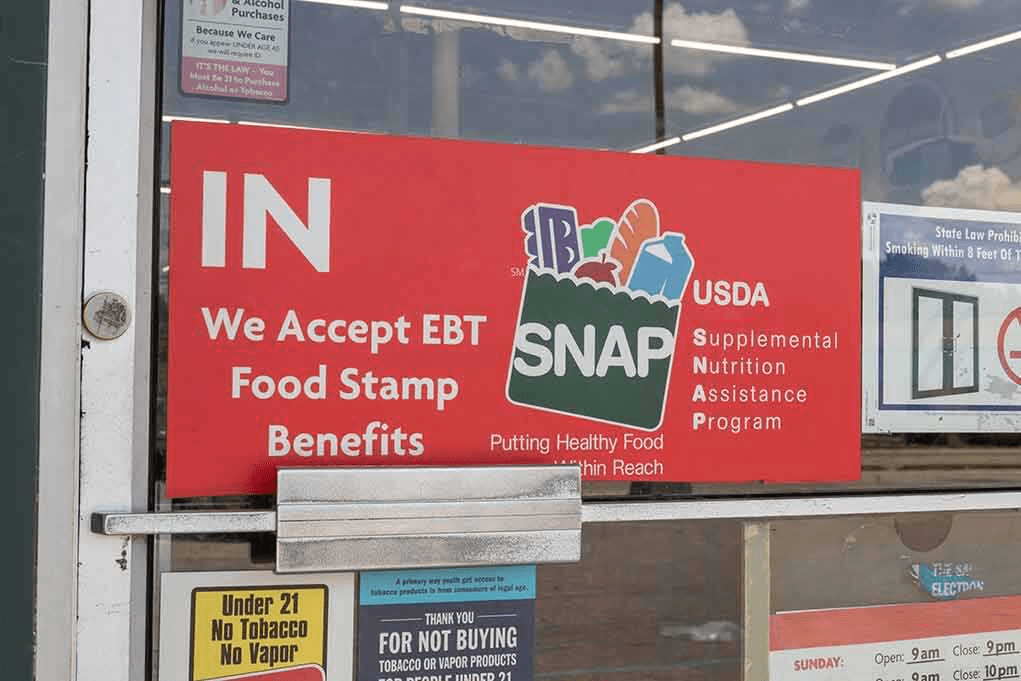
Nonessential federal employees are furloughed without pay. National parks, museums, and monuments close, while civil rights investigations and new medical research trials are paused. Various forms of financial aid that rely on funding from the bill are also jeopardized. Most notably, the operations of the Supplemental Nutrition Assistance Program (SNAP), which feeds 42 million low-income Americans, are at a serious risk.
At its core, the 2025 shutdown centers on a clash over health care policy, as Democratic senators reject the House’s funding bill over its failure to extend Affordable Care Act (ACA) subsidies and reverse recent Medicaid cuts.The ACA subsidies were established under the American Rescue Care Act in 2021, a federal law passed by Democrats during the COVID-19 pandemic to provide relief, making health insurance more affordable. According to Connecticut Mirror News, it allowed for those earning up to 400% of the federal poverty level — currently set at $15 600 USD for individuals and $32 150 USD for a family of 4 — to qualify for healthcare aid. Without renewal, the extension of this aid will expire by this year’s end, endangering the livelihoods of the 24 million Americans, including farmers, small business owners, and self-employed workers unassisted by employer-based coverage, that all rely on ACA.
The Republican party, led by President Donald Trump and House Speaker Mike Johnson, have proposed a spending plan excluding the Democrats’ demands to extend ACA subsidies. Democrats, in turn, have refused to sign any appropriations bill that fails to include them. While the Republicans argue that Covid-era levels of inflation and spending must be brought down, the democratic senators have committed to stand up for the human right that is health care.
Indeed, prospective increases to these health plan premiums will be simply unmanageable; many will be priced out of coverage all together. According to the Kaiser Family Foundation, prices will soar on average by a shocking 75%, with a family of four earning $130,000 seeing annual insurance premiums jump by $16,100 USD, while a 60-year-old couple making $85,000 USD facing additional costs of up to $23,700 USD. One Nevada mother opens up about her worries for her family, telling PBS News, “ It’s a difficult decision — do I spend $500 on a doctor’s visit or do I buy groceries?”
These staggering costs explain why Democrats are holding their ground amid this political tug-of-war. However,
“their resistance comes with a heavy price. The longer the shutdown continues, the more that millions of Americans are left without pay or vulnerable, particularly those dependent on food aid programs like SNAP.”
On October 31st, a pair of federal judges in Massachusetts and Rhode Island ordered the Trump administration to continue funding SNAP during the shutdown. Still, President Trump has asked for clarity on the legality of those rulings, with the administration claiming that a contingency fund estimated at around $6 billion is not allowed to be used to sustain the program.
After a month without compromise, this standoff has ignited critical narratives on both sides. Specifically, the Republicans have not missed the chance to accentuate blame on the Democrats for the government’s paralysis. However, since the House proposed the bill, House speaker Mike Johnson has sent lawmakers home. This means that the representatives needed to ammend the funding plan and work toward a resolution have been kept out of session.
According to the Federal News Network, Johnson employed the historically successful tactic of “Jamming the other chamber,” which entails having the House pass its bill and then sending everyone home right before the deadline to force the senators to vote in favour of it. House Appropriations Committee Ranking Member Rosa DeLauro condemned this move in late September, saying, “Beyond allowing members to leave Washington before we have addressed the looming funding deadline, he has extended the Republican vacation by two days. Speaker Johnson is silencing members and shutting down the House in advance of a government-wide shutdown.”
Critics online, such as the channel Hey Citizen on Youtube, have called these actions out as “hostage politics”: when one party uses essential government functions as leverage to gain policy concessions. Many raise the question of whether it is fair to place full responsibility on the Democrats for this shutdown. Who is really stopping progress? If the natural course of democracy is to evolve and work towards solutions, deliberately interrupting this process is an act of defiance and regression.
 The Plant
Leave a comment