

Via Tiktok
Orion Peyrol
Managing Editor
What makes us human if not our acts of creation? We sing, we write, we draw, and most of all we dance. Dancing has been used as a form of ritual, expression, and community for as long as humans have been human-ing.
“We’ve been dancing since 5,000 BC and we will dance far, far into the future.”
Nightlife in America all started when ballroom dancing was brought in from Europe to North America by white settlers. Primarily focused on etiquette, sophistication, and networking, balls were as much political as they were for merriment. It was the main form of dance from the 1700s up until the early 1800s, when slavery started becoming more prevalent in America, birthing a new form of dance. Slaves weren’t allowed to have musical instruments and often didn’t speak the same language, so to build community they started making rhythms with their feet. Many of them came from cultures in which dancing was an important spiritual and communal experience. This style of dancing, called “jigging,” was an important act of resistance and a refusal to abandon their roots. Eventually, it got incorporated into minstrel shows, in which performers wore blackface, imitating, and mocking black people. The most famous of these shows was the character “Jim Crow” (yes, that Jim Crow). Working class America would gather at honky tonks or juke joints to dance and watch these shows, opening the gates for lower classes to join in. This slipped dance out of the elitist Waltz of Europe and into the Foxtrot of the everyman (as long as they were white).
After World War 1 came the Prohibition and the Jazz Era. Alcohol being prohibited made nightlife harder, forcing a lot of cabarets, nightclubs and speakeasies to become more secretive. Everything was glitzy, glamorous and deliciously forbidden. Flappers and the dances they performed were scandalous and intentionally rebelling against the laws of the time. Then the Great Depression hit. Dancing was still a part of life but in a more subdued way. People didn’t have extra cash to spend at nightclubs, and instead dancing became a way to make money. Dance Marathons that promised cash prizes for staying on the dance floor the longest became a popular way to dance the Depression away.
The 1950s marked the next big shift in dance culture. There started to be a distinct generational divide: teens were Rocking and Twisting to Elvis at jukeboxes while their parents were still Chachaing. The Twist is a very important change as it was the first widespread solo dance, which allowed teens to go out and dance without being in a couple. This was the first time nightlife was intended for a younger audience, which influenced nightlife in later decades.
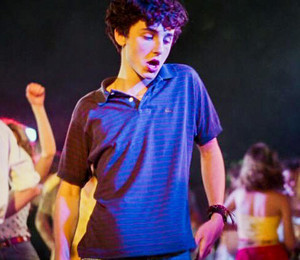
The jukeboxes of the 50s started the decline of live music, a phenomenon which paved the way for disco to make its way into America. Technically, discos have existed since Nazi occupied France. Nazis had banned the “decadent” American dances and so French youths made discotheques, which were unlicensed and catered towards a very young audience, as a way of protesting the occupation. However, discos didn’t gain mainstream popularity in America until the 1970s, thanks to Disc Jockeys (DJs) and the film Saturday Night Fever (1977) starring John Travolta. Increased international violence, social upheaval, and economic recession made people want to escape their everyday lives and nightlife permitted that. DJs and drugs meant that nightclubs were able to play the top hits and keep people out on the dancefloor until the sun came up. The colorful lights and flashy costumes were made into an experience thanks to quaaludes, cocaine and many, many, more.
The drug culture persisted even when the more electronic styles of music of the 80s came around; amphetamines, LSD and ecstasy were the vices of the time. DJs adapted to these new substances and rave culture started picking up. In general, the faster tempos and synths of pop music slowly inched music towards techno, electronica and trance.
Then, in the 2000s, casinos started booking DJ’s to play in Las Vegas and EDM exploded in and out of the Strip. It was the era in which the Los Angeles partying scene took hold. People became famous solely for how much they partied. Paris Hilton, Kim Kardashian, Lindsay Lohan and Britney Spears had tabloids absolutely obsessed with them. The world was denouncing their raunchy and outrageous lifestyle and yet, they could not look away. The y2k celebrity wasn’t polished and unreachable as they are now; they were dirty, gritty and human. They made sticky, glitter-covered floors feel as glamorous as any red carpet.
From ballrooms to nightclubs, dance has been an excuse for people to gather, a mode of rebellion, and an escape from the hardships of life. It evolves and shifts to adapt to the needs of the people and it will continue to do so. Montreal itself has such a rich and vibrant nightlife and knowing how we got to this point makes the experience all that much sweeter.
 The Plant
Leave a comment