

Maya Jabbari
Voices Editor
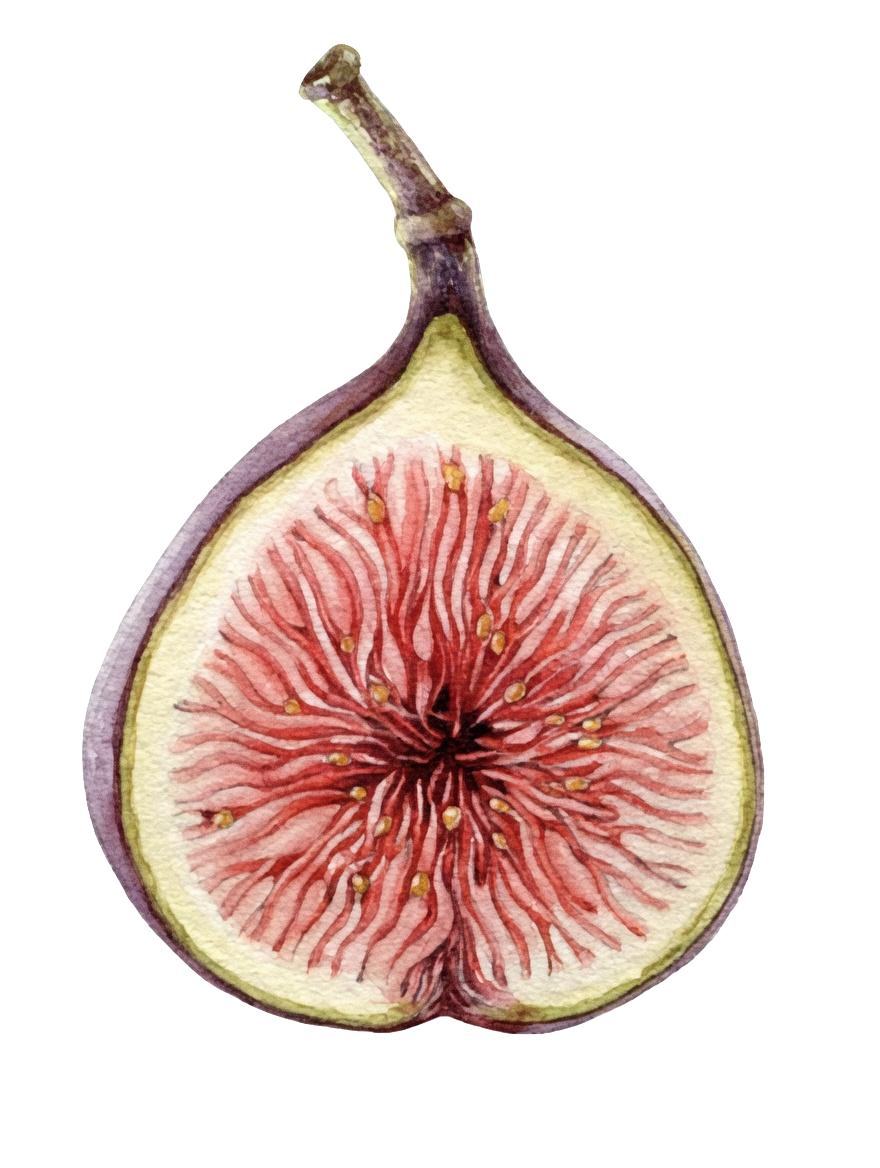
It has come to my attention (and I’m sure to that of most) that it has become almost impossible to dive into a discussion about the intersection between femininity, literature, and identity without the mention of Sylvia Plath. Her novel The Bell Jar, with its famous fig tree analogy, has basically taken a second life online, and believe me, it just keeps on expanding its roots and branching its long arms out. In fact, even i-D magazine notes that “The fig tree analogy, though, out of everything Plath wrote, has recaptured the attention of a new generation of readers.” This analogy, and my generation seem to have formed an unbreakable but now overused (at least, from my point of view) bond among young women. And, I mean, I get it. Upon my first read of The Bell Jar, I, too, found Plath’s fig tree to be a perfect encapsulation of girlhood and the expectations that come along with it. Plath’s writing is sharp and deeply resonant, and I say all of this not as a critic from a distance, but as an admirer who has read it and is currently hunting for a well-loved copy of another book of hers, Ariel.
The fig tree metaphor, in which The Bell Jar’s main character, Esther Greenwood, imagines her life branching into multiple possible futures only to wither from indecision, has become a kind of shorthand for modern girlhood. It is evocative, yes, but its overuse risks flattening the complexity of women’s experiences into a single, familiar narrative, and that narrative being some inevitable and unstoppable loss. While that viewpoint is valid, it is not all-inclusive. When we repeatedly center Plath as the voice of the female experience, we inadvertently sideline other writers whose work expands, challenges, and diversifies what womanhood itself can look like.
“The issue, I believe, is not that we are reading Sylvia Plath, but that we are often stopping there.”
Roxane Gay. In her essay collection Bad Feminist, she dismantles the idea that women must be perfect to be politically or morally valid. Gay’s writing embraces contradiction; she is vulnerable without being fragile and critical without tiptoeing. This is refreshing. This is an alternative to the rigid introspection often associated with Plath: a permission to exist messily, loudly, and without apology. You do not need to be delicate; you should not be expected to.
Jia Tolentino. I can talk for ages about Tolentino and her book of essays, Trick Mirror, but I’ll give you just enough in hopes that you will want a taste of more. This book examines the cultural forces shaping modern identity, from late capitalism to internet performance. Where Plath focuses more on introspection, Tolentino often looks outward, asking not just “Who am I?” but “What systems made me this way and who set those systems up?” This shift is especially vital because it moves the conversation about femalehood beyond individual struggle and into collective critique.
Zadie Smith. Offering a radically different lens, her novels like White Teeth and essays about self, such as those in Feel Free, showcase Smith’s explorations of identity as something fluid, relational, and deeply tied to community. For readers solely focused on Plath’s voice, Smith’s writing opens up a more expansive understanding of selfhood.
bell hooks. hooks’ contributions to feminist thought cannot be overstated. In works like All About Love and Feminism Is for Everybody, hooks reframes feminism as a practice rooted in care, justice, and collective liberation. Her writing is accessible and profound. It offers not just analysis, but guidance as well. Where Plath’s work, to me, often dwells in despair, hooks insists on the possibility of transformation. She reminds us that understanding womanhood is not just about articulating pain and feeling it to the fullest, but about imagining and building something better.
I want to make something clear: this is not an argument against Sylvia Plath. Her work continues to resonate transgenerationally because it captures something real and often unspoken. But when we reach for the same references again and again, we risk creating an echo chamber. The challenge, then, is not to abandon Plath, but to read her alongside others.
A teacher once told me that the way writers get recognized for their accomplishments is not always by word of mouth; rather, it is by naming, outwardly, in works of your own, these women. I have read the works of all the women I have named, and I know there are millions more out there that should be named. Consider this a reminder, and even a push, to seek out those names and, as I’m attempting to do, name them outwardly.
Because the truth is, no one writer can encompass the full complexity of the female experience. Not Sylvia Plath, not anyone. And that is precisely why we need more voices.


Leave a Reply