

Via Searchlight Pictures
Tessa H. Chabot
Contributor
I find myself sitting in the cinema every couple of months when the newest Gothic movie arrives from Poor things (2024) to Lisa Frankenstein (2024). The audience and I keep our eyes fixed on the screen as the monster comes on screen, strangely the creature seems to reveal something that is far too personal for many to handle.
There’s certainly not been a shortage of gothic cinema in the last couple of years. For the first time, in what seems like forever, we finally have a new array of Gothic films. The recent surge of Gothic films reflects the collective anxieties humanity has for the future.
Historically, Gothic literature and, later, Gothic cinema typically rose in popularity in times of political turmoil. Moretti argues in the article “Gothic Film Revival” that, “The monster serves to displace the antagonisms and horrors within society to outside society itself,” turning collective horrors into a tangible being. ” This tangible being allows us to recognize the unease we feel around us. This genre is a perfect outlet for it.
The most famous Gothic novel, Dracula (1897), was born from European fears of foreign invasion and the ‘Other.’ Just over 30 years later, Dracula, the film, (1931) premiered when western world was in the center of the most severe financial crisis in history. The Great Depression marked a societal transition from Xenophobia into a fear of being taken advantage of by the rich. This trend seems to happen time and time again— the current wave is no different.
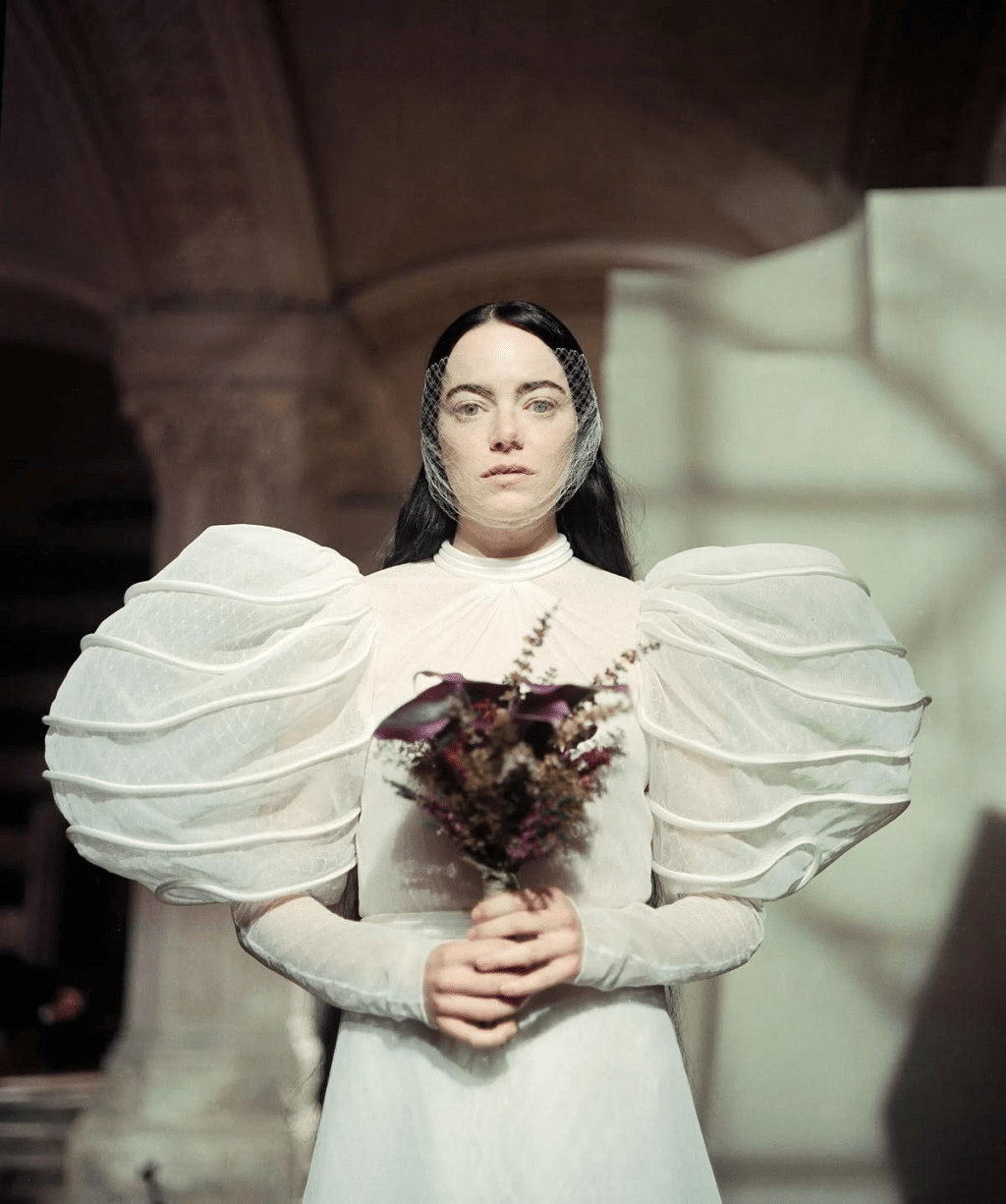
The current wave of contemporary Gothic cinema was started by Yorgos Lanthimos’ Poor Things. The movie explores bodily autonomy and sexual liberation for women. Current Gothic author Cameron Esbenshade explained, “Both horror and nostalgic (…) aesthetics tend to follow social uncertainty. We are seeing a dramatic rise in horror demand across types of media.” In fact, during 2022, women across the globe sat in fear as witnesses to 22 million women in America losing access to part of their basic medical care: the access to abortion.
Poor Things came as a reaction to the overturning of Roe v. Wade. This contemporary interpretation of Frankenstein, exploring themes of reproductive control and bodily ownership, mirrored women’s anxieties about losing their rights to controlling their bodies controlled to the
government. Dawson’s Gothic Literature professor J.A. Shea says “I think that that narrative, you know, fits neatly with some of these feminist retellings that we’ve seen, which were often about women’s empowerment and female agency.” Newer looks at Gothic films hold a mirror to today’s problems.
The empowering story of Bella from Poor Things rejecting manipulation from men to define her own humanity and bodily autonomy becomes an eye-opening story during these trying times. Gothic media enjoyer Patrick Chabot says, “They’re fantasies. It’s a place where you can escape”, in certain cases it becomes a place to enjoy. The morbid fascination becomes a sense of escapism for many. We often need that escapism from the real horrors we see in our world. Gothic films give that to us through their exploration of romance. My favourite Gothic romance that has come out as of recent has been Lisa Frankenstein by Zelda Williams.
Lisa Frankenstein is a modern retelling of Frankenstein. The film shows a great love story between the monster and Lisa Swallows, the main character. The interesting thing about Lisa Frankenstein as opposed to regular Frankenstein stories is the monster isn’t the one seen as the freak, it’s the main character, Lisa. She is visibly a goth and is oftentimes ridiculed by those around her because of her appearance and her reaction to her mother being killed in front of her.
The movie puts an emphasis on personality and attitude rather than appearances. Lisa is proud of her weirdness despite being ridiculed for it. Unfortunately, the people in her town judge her appearance and her quirks,leading people to isolate her. The romance between the Creature and Lisa reflects a healthy alternative to the issues of modern romance. In recent years, romance has dwindled from its fiery passion and audiences’ yearn to escape from their mundane situationships for a deeper connection.
Gothic media has consistently held mirrors up to society’s problems and most of the time those voices were ignored—but not anymore. With Gothic cinema on the rise, the genre became a place for people to discuss societal issues. If cinema has started to have these hard
conversations, I believe the rest of the world can too.


Leave a Reply